*Collaboration
A recent Click Consult article titled “TikTok, true crime, and the truth: how social media is reshaping news” offers a compelling lens on how platforms like TikTok and Instagram are rapidly transforming how news is created, shared, and consumed, especially among younger audiences, and it really got me thinking about how I consume my news. As someone with a Journalism Degree, I shouldn’t have had to think that hard really, but I did!

From Traditional to Scroll-Worthy
The Click Consult piece highlights a clear generational shift. Traditional news sources, TV and newspapers, are steadily losing ground, much to my dismay. In the UK, TV news viewership dropped from 75% in 2023 to 70% in 2024, while print (and digital newspaper) readership also declined. Meanwhile, nearly 90% of 16–24-year-olds now rely on online platforms for updates: Instagram leads (41%), followed closely by YouTube (37%), Facebook (35%), TikTok (33%), and X (27%). Why? Social media offers convenience, instant access, and personalisation, news tailored to your interests, right in your feed, and we consume everything so quickly that this is what we look for!
Citizen Journalists & Newsfluencers: New Voices in the Mix
Another fascinating shift is the rise of citizen journalism. These are everyday people who report events as they unfold, live‑tweeting protests, filming on‑the‑ground incidents, or sharing direct-to-camera commentary. It’s grassroots, immediate, and often fills gaps that traditional media miss. It also allows you to find someone that delivers news in a way and tempo that suits you.
At the same time, the emergence of newsfluencers; influencers who deliver news in digestible, relatable formats is reshaping trust and engagement. These creators are nimble, personal, and often perceived as more peer‑like than formal journalists.
We see this in action with platforms like Shit You Should Care About (@shityoushouldcareabout) and Simple Politics (@simplepolitics). The former, founded by Lucy Blakiston, simplifies global issues with pop‑culture savvy, think crashes of international supply chains explained through candy‑colored visuals and fandom references. This is where I get a lot of my news from as they make it easy to understand, fill you in on news that isn’t always in the mainstream media and don’t make you feel silly for asking questions!
The Double-Edged Algorithm Sword
Social media’s algorithmic feeds are both a boon and a challenge. On the plus side, they deliver highly relevant content, your favourite genre, interest, or niche gets served up fast. Short‑form video, especially, hooks you in with quick, chapter‑style storytelling. But the flip side is echo chambers and the spread of misinformation which can happen a lot during elections, and emotionally charged posts that polarise and mislead often ride the algorithm’s wave faster than fact‑checked journalism.
Our Mixed-Mode News Ritual
Personally, my own news consumption mirrors this hybrid evolution. I’m a fast‑paced consumer, I love the brisk, curated summaries of Shit You Should Care About and the approachable political breakdowns by Simple Politics. They’re breezy but packed with insight, fit for scrolling breaks, and instantly shareable.
But at home, it’s a different story. My husband still leans on the BBC homepage, a bastion of traditional, reliable reporting. Each evening, over dinner, we unpack the day’s biggest stories, what I’ve gleaned from Instagram feeds, and what he’s read on his commute to and from the office. That combination of quick, visually engaging context meets measured, trusted depth, makes us feel both informed and connected.
What This Means for the Future
Social media isn’t just reshaping the what of news, it’s revolutionising the who, the how, and the when. Citizen journalists and newsfluencers are diversifying the voices we hear. Algorithms deliver content that feels bespoke. And fast‑form content keeps pace with our digital attention spans.
But this future comes with responsibilities. Platforms must push for transparency, diversity, and accuracy; users like us must practise media literacy, questioning sources, checking context, and stepping beyond echo chambers when possible.
Mixing SNS feeds with traditional channels, like we do with dinners and dual-viewpoint conversations, might just be the best way forward: staying agile, informed, and grounded.
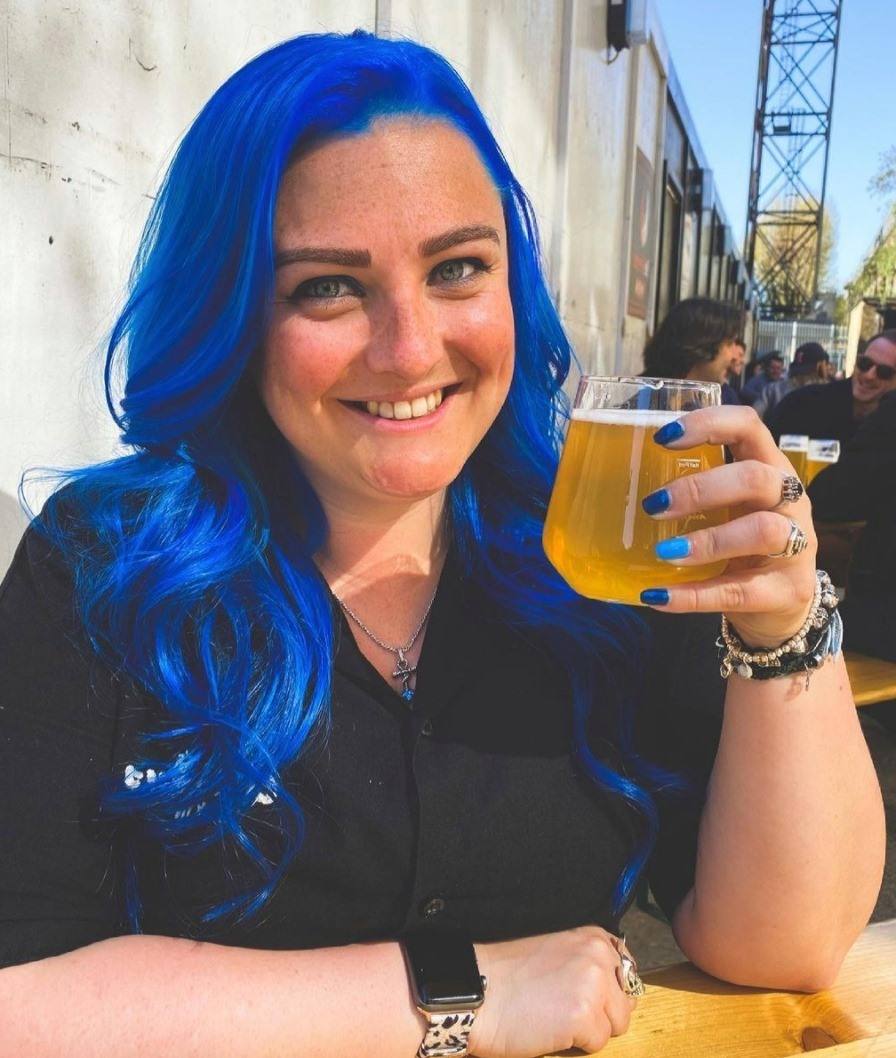
I'm Squibb Vicious, better known as Haydy!
Happiest with a craft beer in hand, eating til my heart is content or exploring somewhere new.
Here you can read about my adventures!