*Collab
Solar panels can be a great investment. However, to truly get the most out of them, you may want to consider a few add-ons during installation. From solar batteries to smart meters, here are a few extra components worth fitting alongside your panels to improve your system’s efficiency and longevity.
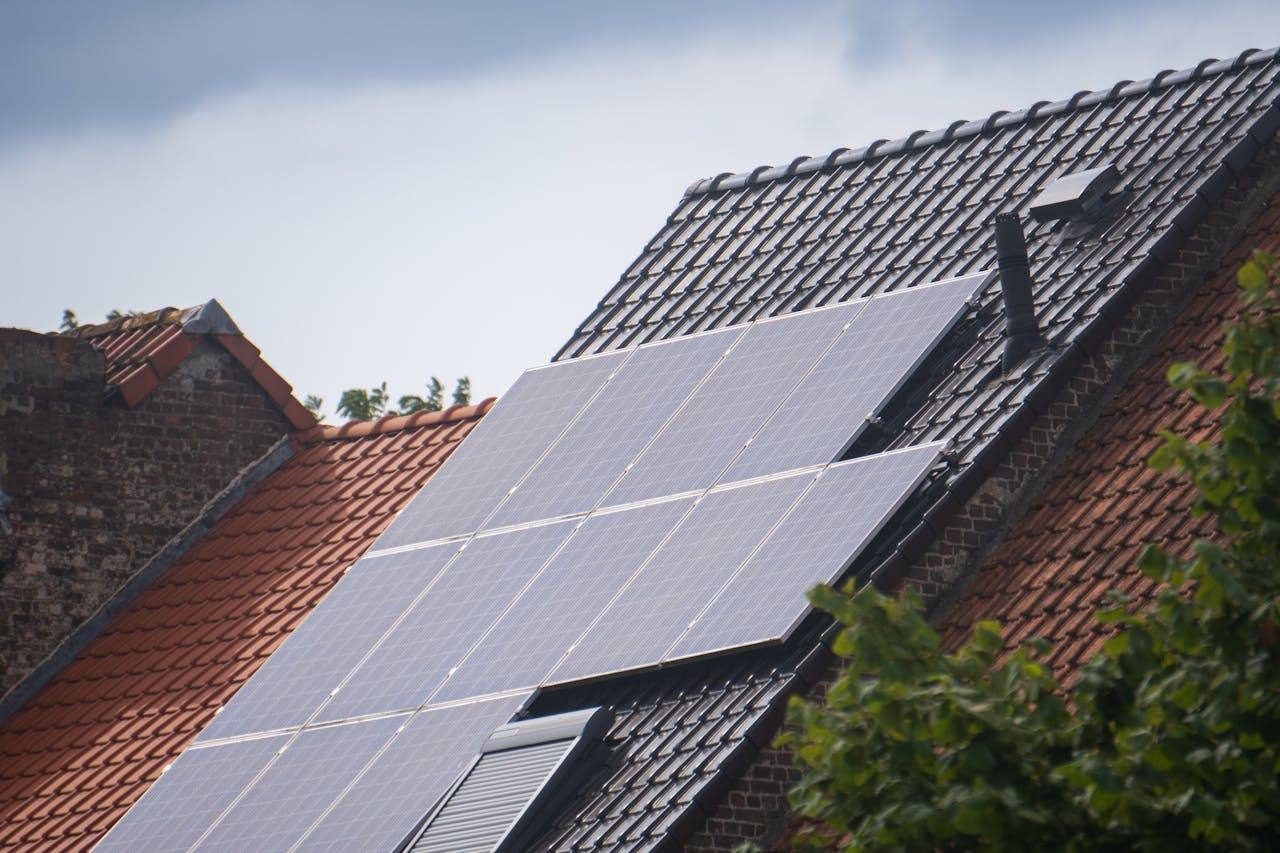
Solar battery
Solar batteries are essential if you want to be able to store excess energy harvested by your panels. Without them, your panels will only power your home during the day when the sun is shining. With a solar battery, excess electricity can be used to power your home at night and on overcast days. This is essential if you’re trying to go off-grid. Solar batteries can vary by capacity depending on how much excess energy you want to store
Microinverters
Traditional solar systems connect in a series with a single inverter to convert energy into electricity. With microinverters, each panel operates independently. This stops shady or dirty panels from decreasing the performance of the entire system. With a specialist smart meter, it also allows you to monitor exactly how much power each individual panel is generating.
Surge protectors
Power surges can occur during lighting strikes or power outages, and can damage components within your solar system – such as your panels, battery and inverters – if not protected. A surge protector works by instantly directing excess energy to the ground where it dissipates in the earth. This could help to extend the life of your solar system.
Solar skirts
Birds and rodents sometimes nest under solar panels and have been known to damage wiring and brackets. A solar skirt creates a barrier that stops creatures nesting underneath. The simplest and cheapest option is to use wire mesh, however a more aesthetically striking and effective option is to use black aluminium trim. Solar skirts are typically easier to install on panel systems that are all clustered together rather than individual panels positioned in different parts of your roof.
Tilt mount brackets
On a flat roof, it may be advised that you install panels on tilt mount brackets. These tilt your panels to help maximize sun exposure, resulting in more energy generation per panel. Tilt mount brackets also have the advantage of helping rain and debris wash off more easily so that panels are less likely to become dirty or damaged by pooling water. A solar installation company will be able to find the perfect angle to help you generate as much electricity per panel.
Smart meters
Smart meters sometimes come as standard with modern solar systems, but if not you may want to consider installing a meter as an add-on. Specialist meters will allow you to not only monitor how much energy you are using, but also how much energy your panels are generating (and how much each individual panel is generating if you have microinverters). Many modern smart meter systems involve an app that you can download, allowing you to monitor the efficiency of each panel on your smartphone.

I'm Squibb Vicious, better known as Haydy!
Happiest with a craft beer in hand, eating til my heart is content or exploring somewhere new.
Here you can read about my adventures!