*Collab
Good kitchen design isn’t all about colour schemes and stylish hardware. The best kitchens prioritise function: they’re designed in a way that makes cooking, cleaning and food storage convenient and organised. Below are just some of the important ingredients to consider when designing a practical kitchen.
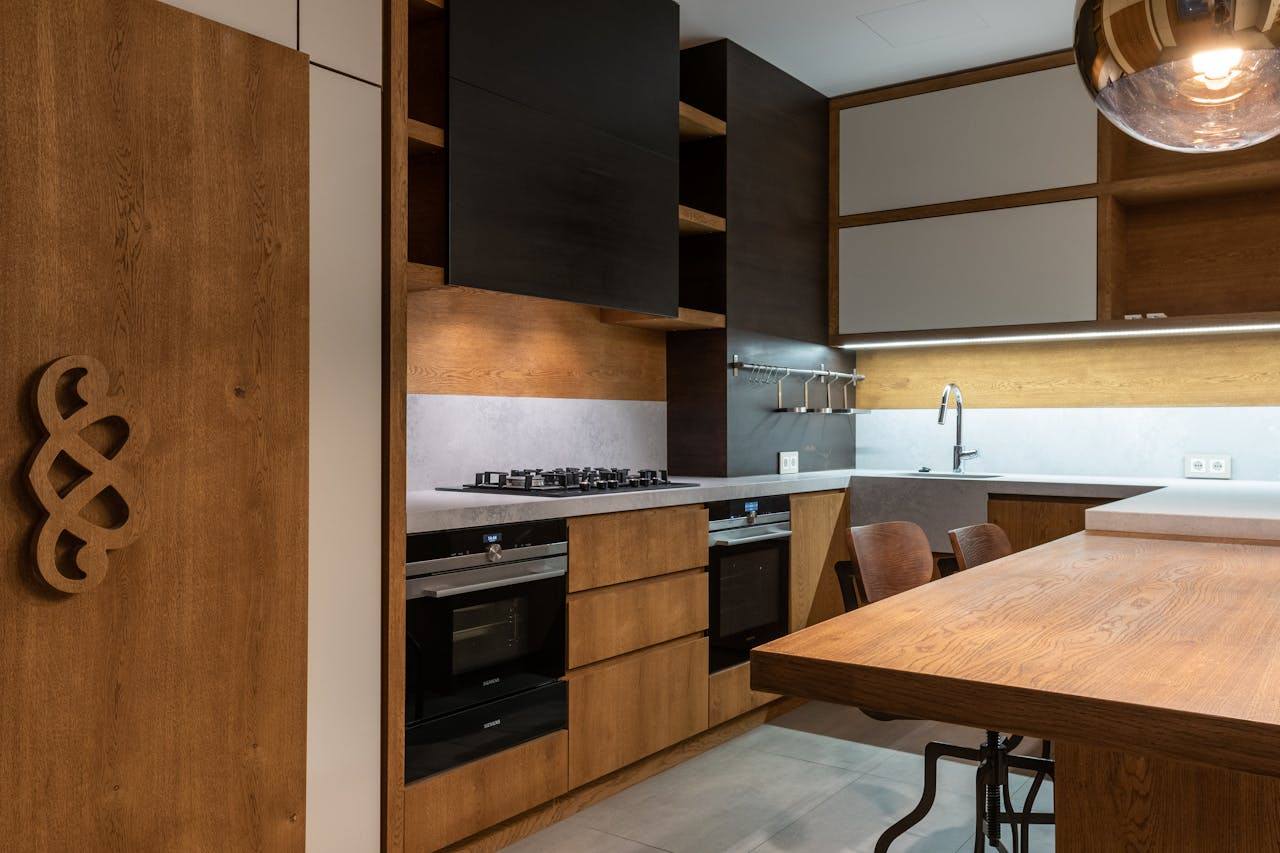
Layout
The layout of a kitchen is critical. While kitchens come in various different shapes, a well-designed one will usually always try to incorporate the ‘working triangle’ – which involves forming a triangle shape between the fridge, sink and cooktop. This creates efficient pathways between each of these zones. If you’ve got a large family, you might want to consider a larger kitchen with wider aisles, allowing multiple people to use it at once without getting in the way of each other. Modern kitchens also tend to require more countertop space and outlets for additional appliances like air fryers, blenders and rice cookers. By working with home builders, you can create a home with the perfect kitchen layout for your needs. Alternatively, it may be possible to renovate your existing kitchen and reshape it by extending or taking space from other rooms.
Storage
Many kitchens suffer from a lack of storage space. This can result in glasses or ingredients being piled onto countertops, or it could mean that you have to limit which utensils you own. To allow for more cabinets and drawers, extending your kitchen may be the only option. Alternatively, you may be able to extend cabinets up to the ceiling if there’s empty space above. When designing kitchen storage space, make sure to also consider what you will be storing there. Consider the space between shelves so that you have room for tall glasses or bulky equipment. Also consider playful options like hooks for utensils, mason jars for ingredients or magnetic knife racks.
Lighting
Good lighting helps you to keep your kitchen clean and also helps with cooking and prepping. Don’t settle for a single overhead bulb – make sure all the recesses and corners are illuminated by considering additional lighting options like under-cabinet lights, track lighting or multiple recessed lights along the ceiling. You can also hang pendant lights over breakfast bars or islands. When it comes to lighting color temperature, consider keeping task lighting cool for clear visibility, while keeping ambient lighting warm for maintaining a welcoming atmosphere.
Cleanability
Kitchens get dirtier more easily than any other room due to splattering and spilling of ingredients. Make sure that all surfaces are easy to wipe clean so that your kitchen stays presentable and hygienic. Most countertops and kitchen flooring styles are designed to be easily wiped or mopped, however it’s important to know when to replace or repair surfaces that have become cracked or chipped – food debris and bacteria will quickly thrive in these crevices. Also consider using washable paints on walls or protect them with tiles or acrylic backsplashes. Cabinets should also be coated in easy-to-clean finishes like lacquer or melamine.
Ventilation
A lot of moisture is also generated in kitchens, along with smoke and other fumes from cooking. Consequently, it’s also important to consider ventilation when designing or redesigning a kitchen. Extractor fans or cooker hoods over ovens are a must. Windows that are easy to open can further improve ventilation. This will not only prevent problems like mold, but could also keep walls and ceilings clean from grease and residue.

I'm Squibb Vicious, better known as Haydy!
Happiest with a craft beer in hand, eating til my heart is content or exploring somewhere new.
Here you can read about my adventures!