*Collab
While many modern homes opt for the ease and efficiency of hardwood flooring or wipeable floors in general, there are definitely some perks to having carpets in your home, too.
Carpets can bring warmth, enhanced safety, and comfort to your home, providing a soft and insulated surface that reduces noise and slips.
In this guide, we’ll look at the benefits of having carpet in your home and why it might be helpful to have it fitted in your property for the future.
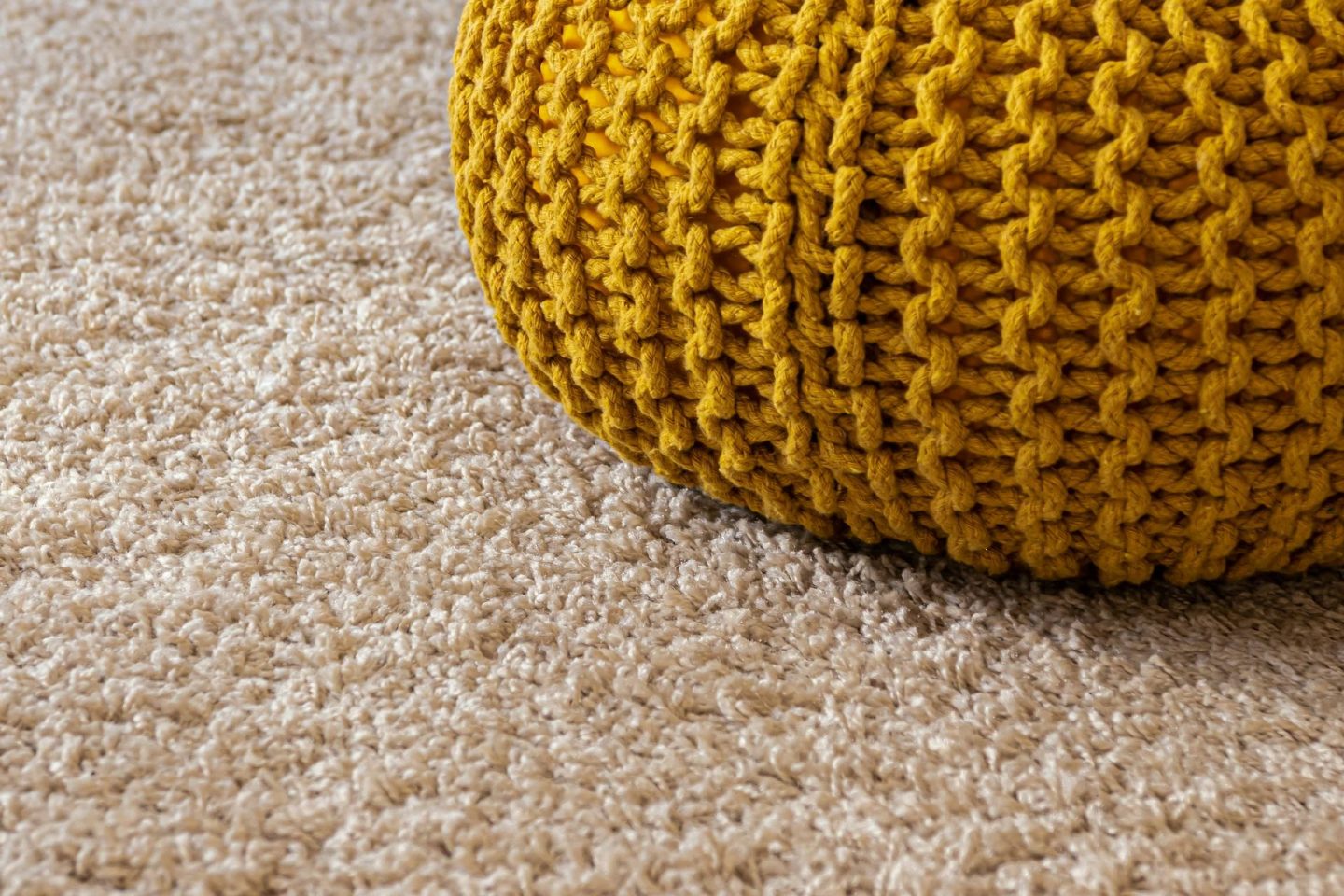
Provides warmth and comfort
Carpet provides a soft and cushioned surface that makes it ideal for walking, playing, barefoot, or sitting. It offers a lot of superior insulation compared to hard flooring also helps to keep rooms warmer and a lot more energy-efficient.
Improves air quality
Studies have shown that carpet helps in trapping dust, pet dander, and allergens within the fibers.
This prevents them from becoming airborne, and so regular vacuuming removes these. It also potentially improves air quality for allergy sufferers.
Noise reduction
Carpet often acts as a sound-absorbing barrier, reducing echoes as well as muffling noise from pets, electronics, and walking in comparison to hard flooring alternatives.
Safety and softness
Due to its cushioning effect, carpet provides a lot more of a safer surface for children, pets, and the elderly, too. It also helps to reduce the severity of falls.
Aesthetic and comfort
With any carpets, especially ones that are plush and luxurious, they create a cosy and inviting atmosphere in both bedrooms and living areas.
Versatility and cost
Available in many colours and styles, carpets can fit almost any budget and have options for quick installation, too.
What to look for in a good quality carpet for the home
So what should you look for in good, quality carpet for your home? Here are some of the key factors to evaluate.
Fibre type
Fibre types are important because they affect the feel and quality of the carpet on your feet, as well as its durability.
Some well-used fibres include wool due to its durable and insulating abilities. Nylon is exceptionally durable, resistant to stains, as well as fading and crushing. For stain-resistant and affordable fibres, polypropylene is a good one. Polyester is also a suitable choice for a soft and easy-to-clean option that’s also stain-resistant.
Pile density and weight
A denser carpet, which includes more fibre packed into the backing, is a more durable option and less likely to flatten. The twist level is important too, with highly twisted yarn, especially in cut-pile, resisting wearing out better than any loose, fluffier yarn.
Pile height
Pile height is an important one to consider, with low pile height being ideal for high-traffic areas. High, long pile is ideal for low-traffic, cosy areas like a bedroom. Underlay should ideally be high-quality to extend the lifespan of the comfort, provide comfort, and offer maximum insulation too.
Carpet is certainly helpful to have in your home, so if it’s something you’re considering, think about implementing carpet instead.

I'm Squibb Vicious, better known as Haydy!
Happiest with a craft beer in hand, eating til my heart is content or exploring somewhere new.
Here you can read about my adventures!