*Collab
Older homes were built during a time when households used electricity differently than they do now. Households had fewer appliances, no electric vehicle chargers, and far less always-on technology. Today, heating and cooling represent about 40% of household energy use, and appliances represent another large portion, so the electrical load within homes has drastically changed. While many old houses are still in good shape, the electrical expectations have outpaced what is needed today.

Via Pexels
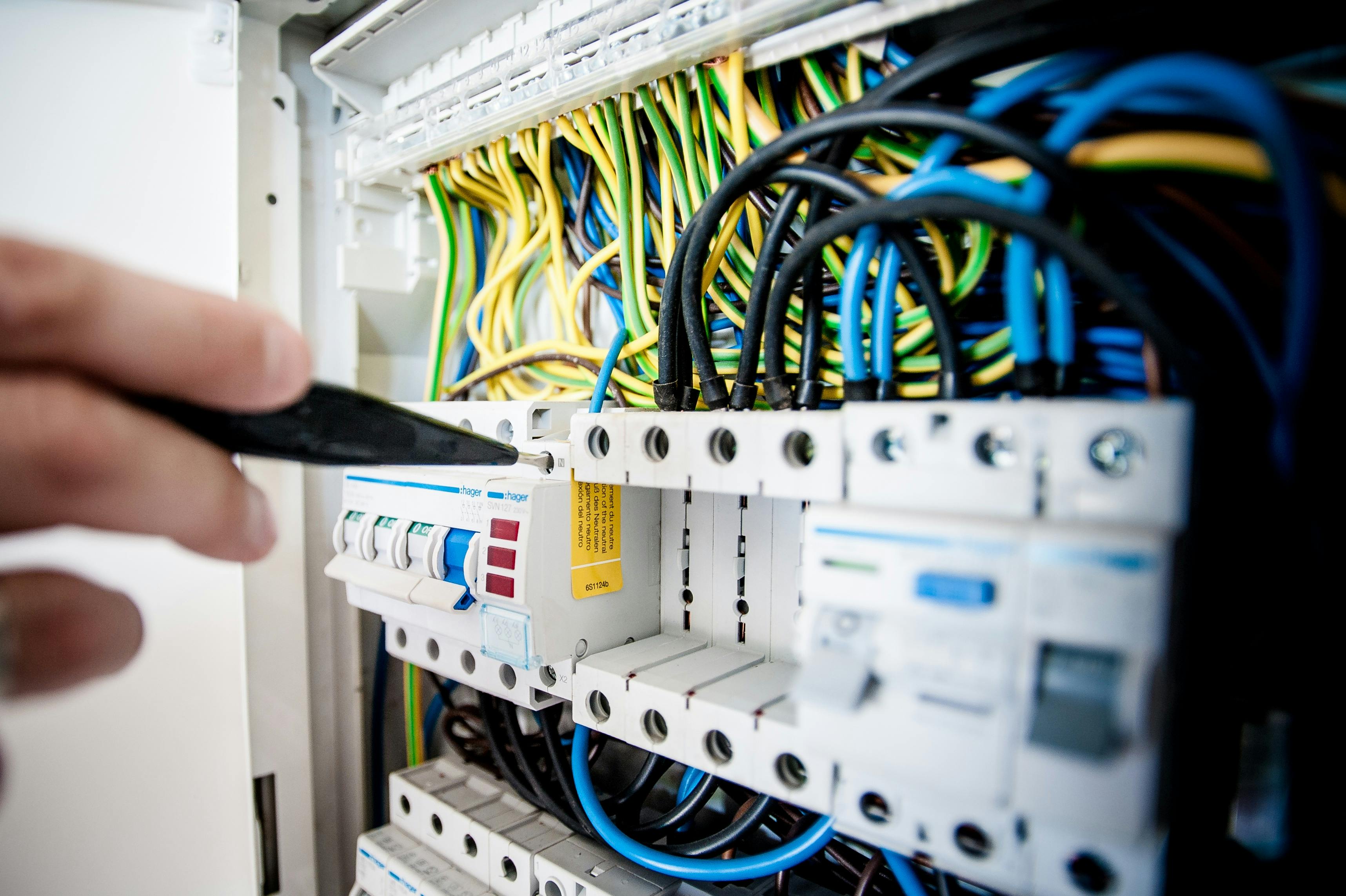
More Devices, Fewer Margins
Age is not the issue here. The problem is that many homes were designed with limited electrical capabilities in mind. With the introduction of induction cooking, large refrigerators, video gaming equipment, security systems, smart home devices, and on top of all that, electric vehicle charging, we see an increased need for electricity. Government data indicates a rise in electric vehicle usage, which has resulted in an increase in demand for charging equipment for domestic use. That means older properties are being asked to do far more than their original wiring layout anticipated.
Where the Pressure Shows First
One of the clearest warning signs is inconvenience. Not enough power points lead to power boards, extension leads and awkward workarounds. It may seem like “no big deal,” but using a power board, extension cord or working around the limitations of your current outlets can lead to overheating, which increases the risk of starting a fire. Also, official safety guidelines indicate that when a circuit is loaded beyond its capability, the breaker will trip. Older homes with older types of switchboards, like rewirable fuses, do not provide the same level of personal injury protection. An old house wears down quietly before it fails loudly. Warm outlets, flickering lights and nuisance tripping are all symptoms that should not be dismissed as quirks.
Why Upgrades Are an Opportunity
Fortunately, this is the positive part. There’s no need for an older home to be limited by its age. A number of thoughtful upgrades to electrical systems can improve functionality, safety, and flexibility while preserving the features that originally attracted a buyer. A professional electrician can analyse a switchboard, circuit capacity, safety switches and appliance load and make recommendations that will enable your home to accommodate today’s way of life. Modern safety switches have become essential and should be installed on all household circuits such as power points, lighting, air conditioning and ovens. Good upgrades also create room for future changes, rather than another cycle of fixes.
A Smarter Future for Classic Homes
There is an even bigger upside than many owners expect. Smart-home technology can automate equipment and help save energy and money, while efficient appliances can reduce running costs. When an older home gains a modern electrical foundation, it becomes easier to add solar, battery storage, better climate control and future charging needs with confidence. It is not that older homes are failing. They are ready for a new chapter, where heritage and modern energy performance can work beautifully together. With the right upgrades, an older property can feel timeless, comfortable and prepared for modern living.

I'm Squibb Vicious, better known as Haydy!
Happiest with a craft beer in hand, eating til my heart is content or exploring somewhere new.
Here you can read about my adventures!