*Collab
Most people think that improving their lifestyle means they need to make huge changes overnight; that idea usually leads to people feeling frustrated and agitated. Big goals sound motivating at first, but they’re very difficult to maintain when daily life gets busy.
The better approach is to focus on small habits that fit in a bit more naturally to your routine. Simple choices, repeated consistently, often create stronger long-term results than short bursts of extreme motivation.
A healthier lifestyle does not need to feel complicated; it should feel realistic enough to maintain even when you are having stressful days.

Photo by Mikhail Nilov: https://www.pexels.com/photo/woman-in-sportswear-stretching-her-leg-8455868/
Building Better Daily Habits
Your everyday routine is something that has an impact on your physical and mental health. Sleep, movement, hydration, and diet all work together, and ignoring one area usually leads to something happening to another.
Many people start improving their health by joining a gym because it creates structure and accountability. Regular exercise can improve energy levels, mood, sleep quality, and concentration, but fitness does not always require intense workouts or long sessions.
Walking more, stretching in the morning, or taking short activity breaks during working hours can still make a noticeable difference. Consistency is far more important than having a perfect routine with this.
Paying Attention to Long-Term Health
A lot of health issues develop slowly over time, and that is why prevention is so important. Small daily habits may not feel important when you are doing them in the moment, but they can have an impact on your future health in huge ways.
For example, many adults do not think about cholesterol until a doctor raises concerns during a routine checkup. Exercise, diet, stress, smoking, and sleep patterns can all have an influence on heart health over the years.
That does not mean that you need to completely change your lifestyle overnight; often, having gradual improvements is what’s going to work best. Cooking more meals at home, reducing processed foods, and staying active can support healthier habits without feeling too restrictive.
Regular health checks are also something that can help you stay informed about your situation before things become larger issues.
Mental Health Deserves Attention Too
Lifestyle changes are not only about physical health; you also need to think about your mental well-being. Constant stress, poor sleep, and burnout can all have an impact on concentration, motivation, and overall happiness. Many people spend far too much time managing work and responsibilities, and they forget that they need to make time for themselves.
Simple habits can help more than you actually think. Reading before bed rather than scrolling through your phone, spending time outdoors, or choosing to limit unnecessary screen time can improve mental clarity. Even small moments of quiet during the day can reduce stress levels. There’s no need for you to have a perfect routine in place; you just need to make sure you have good habits that support your well-being.
Progress Matters More Than Perfection
People often give up on healthy habits because they expect to see immediate results, but you need to get this out of your head: it’s not something that’s going to happen. Real lifestyle changes usually happen very slowly.
Missing one workout or eating one unhealthy meal does not erase your whole progress. What matters is that you are able to return to your routine without turning your setbacks into a full-blown excuse.
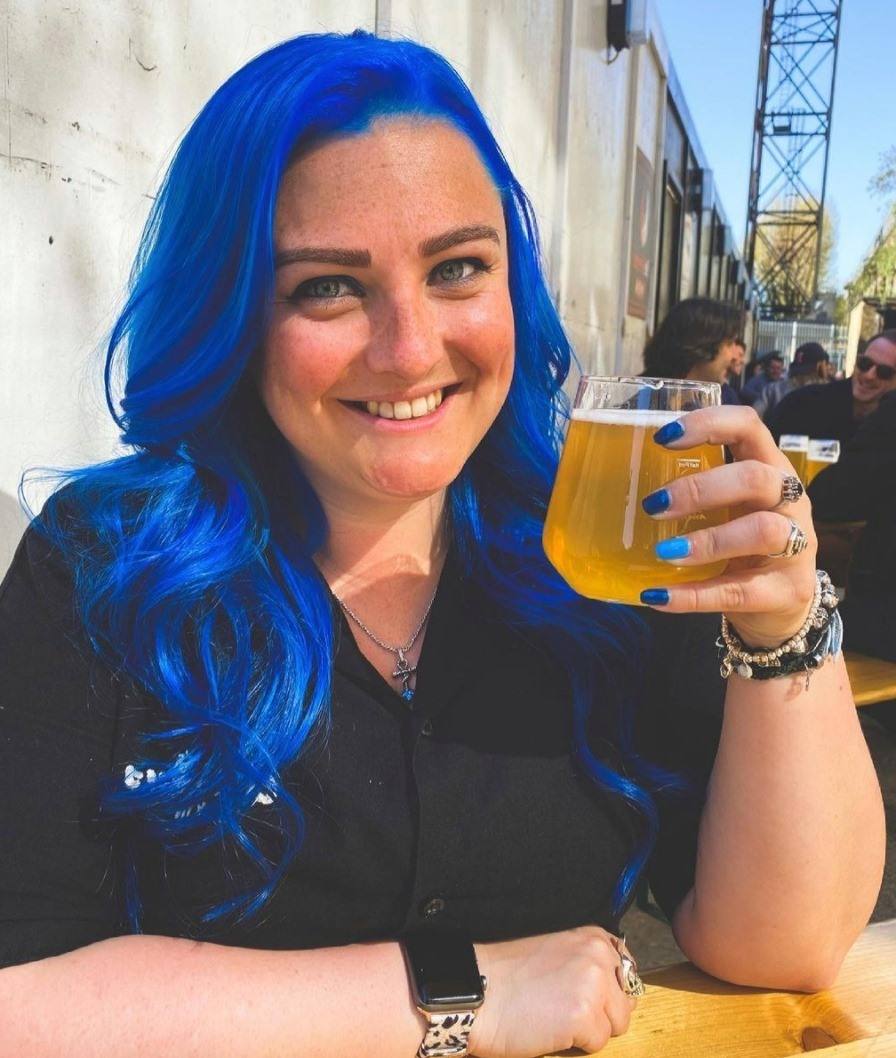
I'm Squibb Vicious, better known as Haydy!
Happiest with a craft beer in hand, eating til my heart is content or exploring somewhere new.
Here you can read about my adventures!