*Collab
There’s a strange stage in decorating where a room is technically “done,” but it still feels slightly off. The sofa is in. The walls are painted. The basics are covered. And yet the space looks like it stopped half a step too early.
That usually happens because finished rooms are not built on big changes alone. They come together through smaller, smarter decisions. The kind that shape how a room feels when you walk in, not just how it looks in a photo. You do not need to knock down walls or replace flooring to get there. You just need to pay attention to the details that create cohesion, comfort, and a bit of intention.

Via Pexels
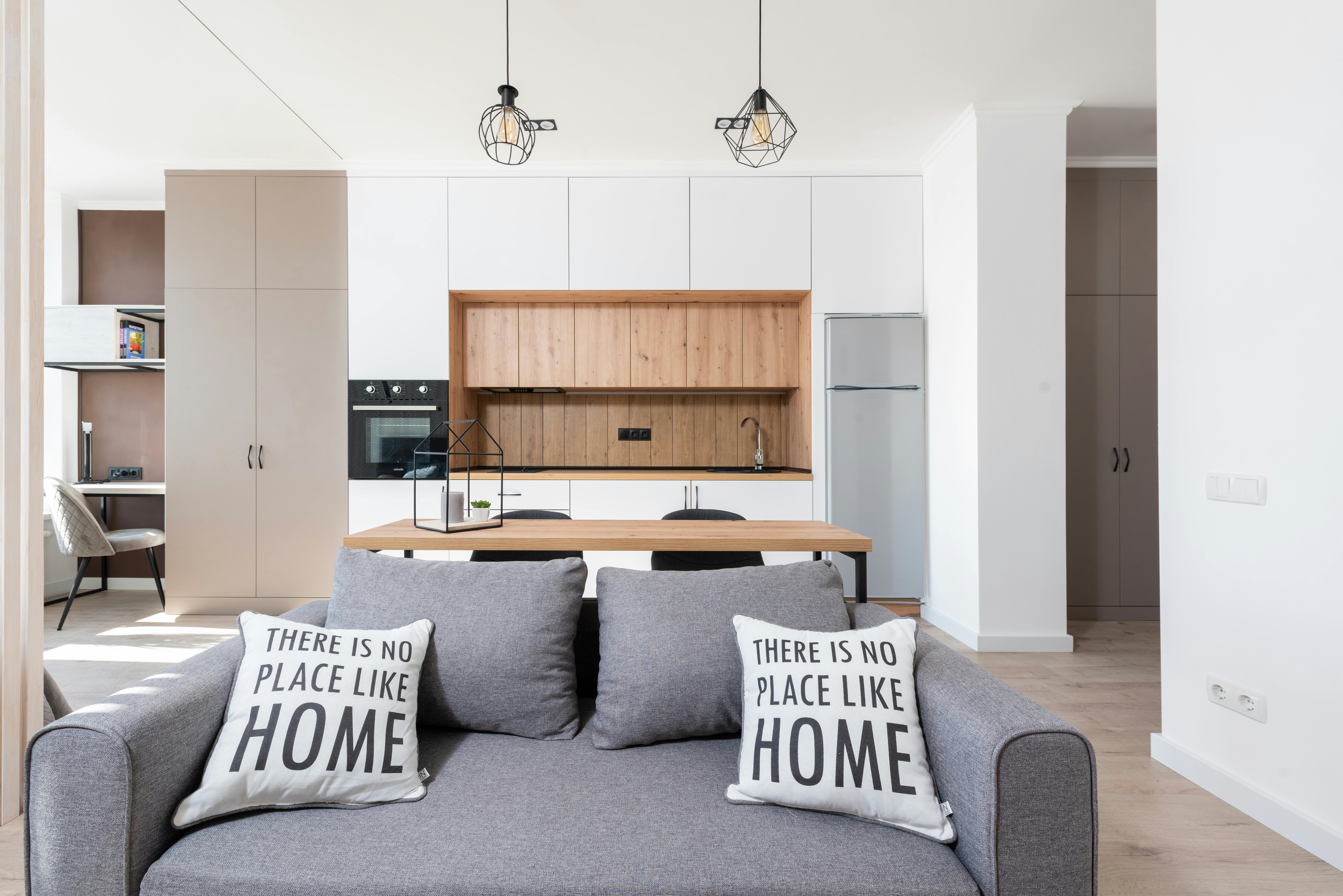
Start by Fixing What Feels Visually Unsettled
Most unfinished rooms have one thing in common: something feels floaty. Maybe the furniture looks disconnected. Maybe the walls feel bare in an accidental way. Maybe the room has pieces in it, but no real rhythm.
This is where you stop looking at items one by one and start looking at the room as a whole. Ask yourself what feels unresolved. Is there too much empty space above the sofa? Does the rug feel too small? Is every surface useful but not especially attractive? A polished room usually has a sense of visual balance, where objects relate to each other instead of sitting in isolation.
You are not trying to fill every gap. You are trying to remove that slightly temporary feeling.
Give the Room a Proper Anchor
A room feels more complete when it has something grounding it. In living rooms, that is often the rug. In dining areas, it might be the light fitting over the table. In bedrooms, it could be a headboard that gives the bed some presence.
One of the most common mistakes is choosing pieces that are too small for the room. A tiny rug under a coffee table can make everything feel like it is shrinking away from itself. The same goes for undersized art or lighting that disappears into the ceiling. When key pieces have enough scale, the room starts to hold together.
This does not mean everything needs to be oversized. It just means one or two elements should have enough visual weight to tell the eye, “Yes, this belongs here.”
Don’t Underestimate the Power of Fabric
Hard surfaces are useful, but they rarely make a room feel complete on their own. Wood, tile, glass, and metal all have their place, but without softer layers, a room can feel flat or slightly cold.
That is where texture changes everything. A woven throw, upholstered dining chairs, a softer bedspread, or well-chosen curtains can make a space feel considered rather than merely assembled. Fabric softens edges, absorbs some harshness, and adds movement without demanding attention.
The trick is not to throw random textiles into the room and hope for charm. You want contrast. Linen against wood. Velvet against painted walls. A chunky knit on a smoother chair. When textures vary, the room feels richer even if the colour palette stays simple.
Make Lighting Do More Than One Job
Overhead lighting is rarely enough. It may help you see, but it does not always help a room feel inviting. If your entire space depends on one central fitting, the room can end up looking harsh at night and forgettable during the day.
Finished rooms usually have layers of light. That means you mix sources instead of relying on one. A floor lamp in a dark corner. A table lamp near a reading chair. Wall lighting, if you have it. Even a small lamp on a bookshelf can shift the atmosphere more than you might expect.
This is not just about mood, though that matters. It is also about shape. Lighting draws attention to certain areas, creates depth, and stops the room from looking flat after sunset. Good lighting makes the room feel inhabited. Bad lighting makes it feel like a waiting room.
Style Surfaces Like You Mean It
A lot of rooms feel unfinished because every surface is either empty or overloaded. There is rarely a satisfying middle ground by accident.
A finished surface has purpose and a little personality. On a coffee table, that could mean a stack of books, a tray, and one sculptural object. On a bedside table, maybe a lamp, a book, and one small personal detail.
On a console, perhaps height from a vase, texture from a bowl, and something framed to make it feel rooted.
The point is not to decorate every inch. It is to create moments. When surfaces are styled with restraint, the room starts to feel edited. That matters more than owning lots of expensive things. In fact, too many items usually weaken the look. Thoughtful restraint almost always wins.
Bring the Walls Into the Conversation
Blank walls can make even beautiful rooms feel unfinished. But filling them badly is worse. Random prints, art hung too high, or pieces that are far too small for the space can make a room feel more awkward, not less.
Your walls should support the room, not apologise for it. Large-scale artwork can add confidence. A mirror can reflect light and open up a tighter space. Shelving can create structure if it is not cluttered to death. Even one strong piece in the right place can do more than a gallery wall that is trying too hard.
And do not forget that placement matters just as much as content. Art needs connection to the furniture below it. It should feel like part of the room’s architecture, not like it floated in from somewhere else.
Finish With the Things People Feel Before They Notice
The most complete rooms usually get the quiet things right. The chair you actually want to sit in. The side table that lands exactly where your coffee needs to go. The scent in the room. The way the bedding looks when it is casually turned back. The plant that softens a hard corner. The storage that hides what should not be on display.
These choices do not scream for attention, but they are often what make a room feel settled. Finished does not mean formal. It means the space feels resolved, comfortable, and lived in on purpose.
You do not need a renovation to get that result. You just need sharper eyes, better layers, and the willingness to treat the room as a whole instead of a list of separate purchases. That is usually the real difference between a space that looks fine and one that finally feels right.

I'm Squibb Vicious, better known as Haydy!
Happiest with a craft beer in hand, eating til my heart is content or exploring somewhere new.
Here you can read about my adventures!